Working in the refrigeration and air conditioning industry across Australia requires understanding the right licensing requirements.
For electrical professionals seeking to expand their skills into this field, it’s important to understand both national and state-specific regulations to make sure you’re compliant.
The refrigeration licence framework in Australia operates on two distinct levels: national requirements administered by the Australian Refrigeration Council (ARC) and individual state licensing schemes that overlap with electrical work regulations.
Table of Contents
Refrigerant Handling Licence: Essential Requirements for All States
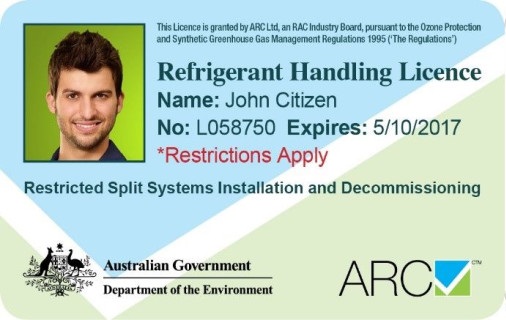
The refrigerant handling licence is required regardless of which state or territory you work in, making it the first step for any electrical professional looking to expand into this field.
The licensing process involves submitting evidence of completed qualifications, paying applicable fees, and meeting any additional state requirements. Licences typically can last one, two, or three years and must be renewed to maintain legal working status. The Australian Refrigeration Council maintains a public register where customers and employers can verify licence status and ensure compliance.
Professional refrigeration and air conditioning licensing makes sure that anyone working in the field understands how to handle refrigerants in a safe, environmentally responsible way.
State-by-State Licensing Requirements
| State/Territory | Additional RAC Licence Required | Notes |
|---|---|---|
| NSW | Yes | Contractor Licence for Air Conditioning and Refrigeration work |
| VIC | Yes | Specific BPC/VBA licence for RAC work |
| QLD | Yes | Specific QBCC licence for RAC work |
| WA | No | Relies solely on ARC licensing |
| SA | Yes | Specific CBS licence for RAC work |
| TAS | No | Relies solely on ARC licensing |
| NT | No | Relies solely on ARC licensing |
| ACT | No | Relies solely on ARC licensing |
Air conditioning regulations in NSW require professionals to hold both the national refrigerant handling licence and a state-issued contractor licence for most commercial work. NSW requires contractor licences for businesses performing air conditioning and refrigeration work, with individual technician licences also required in many circumstances.
For electricians, the pathway typically involves obtaining the appropriate electrical licence first, then adding refrigeration and air conditioning qualifications from an RTO like us here at Get Skilled. Plenty of air conditioning work involves electrical components, creating natural progression opportunities for qualified electricians.
Victoria regulates refrigerated air conditioning work differently from most other states. Instead of treating it as an electrical trade, the Building Plumbing Commission (BPC) which was formerly the Victorian Building Authority (VBA), classifies refrigerated air conditioning installations as a specialised stream of plumbing.
To carry out refrigerated air conditioning work, you must be registered or licensed with the BPC/VBA in the Refrigerated Air Conditioning class and hold the relevant mechanical services plumbing qualifications. If the work involves handling refrigerant, as most split system and ducted installations do, you also need the national ARCtick licence.
Because RAC work is regulated as plumbing, electricians typically need to complete additional mechanical services training to become eligible for VBA registration. If you haven’t completed the required plumbing qualifications, you might need to partner with a licensed mechanical services plumber to legally install refrigerated aircon systems.
Queensland’s licensing system operates through the Queensland Building and Construction Commission (QBCC), which requires contractor licences for air conditioning and refrigeration work over a certain dollar amount. Queensland recognises different classes of air conditioning work, with residential split system installations often requiring different licensing than commercial refrigeration systems and generally allowed for electricians who completed this qualification if the building and mechanical services work is under $3300. This approach allows you to enter the field gradually while building experience before moving to complete qualification that allow for a larger scope of work under the scope of the QBCC licence framework.
Queensland also maintains specific requirements for refrigeration mechanic work, particularly in commercial applications. These requirements often involve additional trade qualifications beyond basic electrical training and training in split systems only.
Western Australia administers licensing through the Building Services Board, which oversees air conditioning and refrigeration work as part of the electrical licensing framework. This creates natural progression opportunities for electrical professionals seeking to expand their scope of work.
The WA system requires registration for air conditioning work, with different categories based on the type and scale of installations. The state recognises the overlap between electrical and refrigeration work, allowing qualified electricians to add air conditioning qualifications to their existing licences.
Western Australia’s approach emphasises the electrical aspects of air conditioning systems while ensuring proper refrigerant handling competency through national licensing requirements.
South Australia operates licensing through Consumer and Business Services, with air conditioning and refrigeration work classified under specialised trade categories. The state system requires both contractor and worker licences for most commercial applications.
South Australia distinguishes between different types of refrigeration work, with domestic air conditioning installations often having different requirements than commercial refrigeration systems. This creates opportunities for you to specialise in particular market segments.
Tasmania’s licensing system operates through Consumer, Building and Occupational Services (CBOS), with air conditioning work generally falling under electrical licensing categories. The state’s smaller market creates opportunities for multi-skilled professionals who can handle both electrical and refrigeration work.
Both the Northern Territory and ACT operate more streamlined licensing systems that rely heavily on the national refrigerant handling licence requirements. These jurisdictions often have fewer additional state requirements, making them potentially easier markets for professionals to enter.
Like Tasmania, the smaller market in the territories means there are great opportunities for electricians looking to upskill in refrigeration and air conditioning work.
Training and Upskilling Opportunities
The refrigeration and air conditioning industry offers significant opportunities for electrical professionals willing to invest in additional training. The technical overlap between electrical and refrigeration work creates natural synergies that can enhance career prospects and earning potential.
Refrigeration and air conditioning training courses in Australia are available through registered training organisations across the country, including qualifications such as UEE32225 Certificate III in Air Conditioning and Refrigeration, with many courses designed specifically for electrical professionals seeking to expand their skills.
The training pathway often involves completing specific units of competency or entry-level qualifications like the Certificate II in Split Air Conditioning and Heat Pump Systems to develop foundational refrigeration and air conditioning skills.This approach recognises prior learning while ensuring a comprehensive understanding of refrigeration-specific requirements, including environmental protection, safety procedures, and system design principles.
Many training providers offer flexible delivery options, including online theory components combined with practical workshops, making it easier for working professionals to complete their qualifications without extended time away from work.
Professional Development and Career Advancement
Climate change concerns and energy efficiency requirements have created a growing HVAC market, and there’s always demand for skilled professionals who can design, install, and maintain modern air conditioning and refrigeration systems.
The industry is experiencing rapid technological change, with new refrigerants and system designs requiring ongoing education and adaptation, so it’s important to stay current with evolving trends and regulations. But the rewards are worthwhile, with more work, higher earning potential, and better employment opportunities.
Career paths can lead towards specialisation in particular market segments such as commercial refrigeration, residential air conditioning, or industrial cooling systems. Each specialisation offers different opportunities and challenges, with earning potential often reflecting the complexity and responsibility involved.
Compliance and Risk Management
Understanding compliance with both national and state licensing requirements is important to your success and business sustainability.
Non-compliance can result in substantial fines or even criminal charges, not to mention damage to your professional reputation. For businesses, employing unlicensed workers can result in additional penalties and insurance complications.
Regular licence renewal and continuing professional development help ensure ongoing compliance while demonstrating commitment to professional standards. You might even find that maintaining current licensing actually boosts your market credibility and customer confidence.
Upskill Today With Get Skilled
For electrical professionals, refrigeration and air conditioning training represents a significant opportunity to expand skills and career prospects in a growing industry. But you need to understand the licensing requirements, both nationally and within your state.
At Get Skilled Training, we deliver quality training courses to help electricians increase their employability and earning potential. We’ll help you figure out the right path for your career, giving you the right tools and the right advice to make sure you can work in your state.
If you have any questions, get in touch with our industry experts, or check out the course calendar to find the next available date in your city.