The choice between TAFE and private training options is important, especially for working electricians who want to improve their qualifications.
Technical and Further Education (TAFE) institutes are funded, owned, and operated by the government, offering training in a variety of professions and trades.
On the other hand, private Registered Training Organisations (RTOs) usually specialise in a particular industry or niche.
For example, here at Get Skilled Training, we focus on electrical, air conditioning and refrigeration training courses such as the Certificate II in Split Air Conditioning and Heat Pump Systems to give our students real-world skills and help them land better jobs in the electrotechnology industry.
The right choice for you depends on a few different factors, like the way you like to learn and how much flexibility you’re looking for.
Let’s get into the main differences between TAFE and private RTOs for electrical professionals.
Table of Contents
| TAFE | Private RTOs (Get Skilled Training) | |
|---|---|---|
| Training Delivery | - Set semester schedules - Mainly campus-based learning - Limited timing options | - 24/7 online access - Blended learning options - Learn at your own pace - Choose when to study |
| Content Focus | - Wide range of educational options in various industries - General electrical engineering courses | - Focused electrical and HVAC-R training - Training tailored to specific industries - Custom electrotechnology programmes |
| Specialised Offerings | - General electrical qualifications | - Restricted Electrical Licence (REL) courses - Dedicated Capstone preparation - Fault-finding training for various trade fields specific to their needs - Test and tag training |
| Funding Options | - Lower upfront fees backed by government - VET Student Loans for eligible courses | - Government-subsidised training available - Flexible payment plans - Pay in instalments |
Training Structure and Delivery Modes
Whether you go through TAFE or private RTOs, you’ll still end up with a nationally accredited certificate. The difference lies in the way each option delivers their training.
Private training organisations have adapted to the needs of busy electrical professionals. Get Skilled Training combines face-to-face and online learning options that fit working schedules, meaning you can access course materials 24/7 and study when it suits your work commitments. TAFE courses stick to stricter schedules, though some now offer both on-campus and online options to be more available.
The convenience of completing coursework online without losing income can make a big difference to working electricians. You could save time and money by cutting out campus commutes, making education more accessible to people in regional or remote areas.
Private RTOs and TAFE take different approaches to progression. TAFE courses follow fixed semester schedules with set assessment periods, so private training attracts those who want more control over their learning timeline.
Here at Get Skilled, we let students move through materials at their own speed, which is great for electricians who juggle varying workloads or seasonal demands. It also allows students to finish courses in much shorter timeframes based on how much time they can commit.
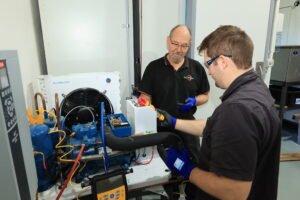
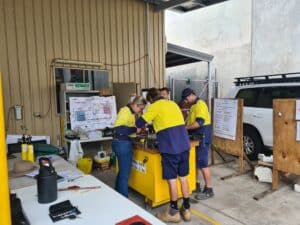
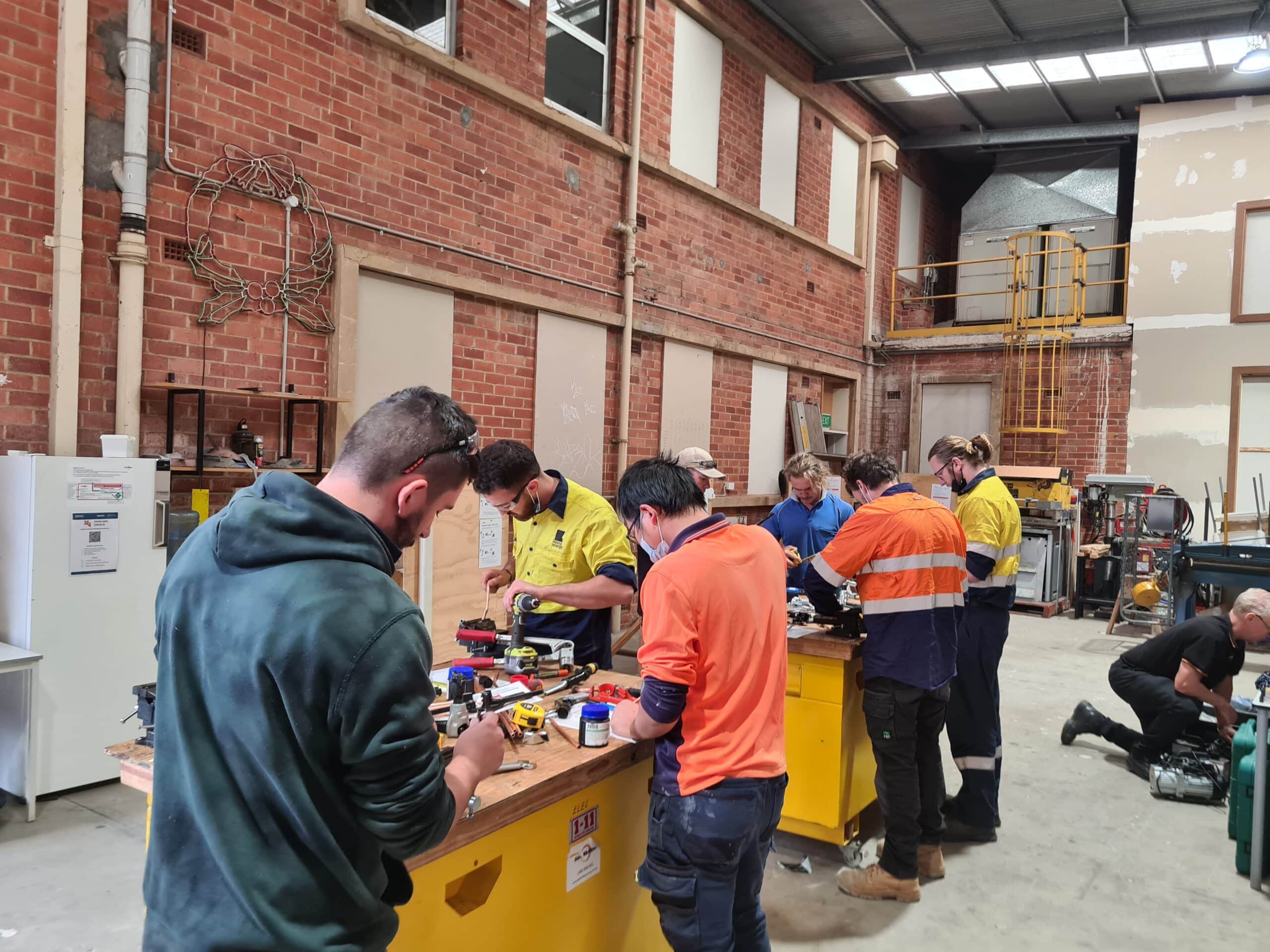
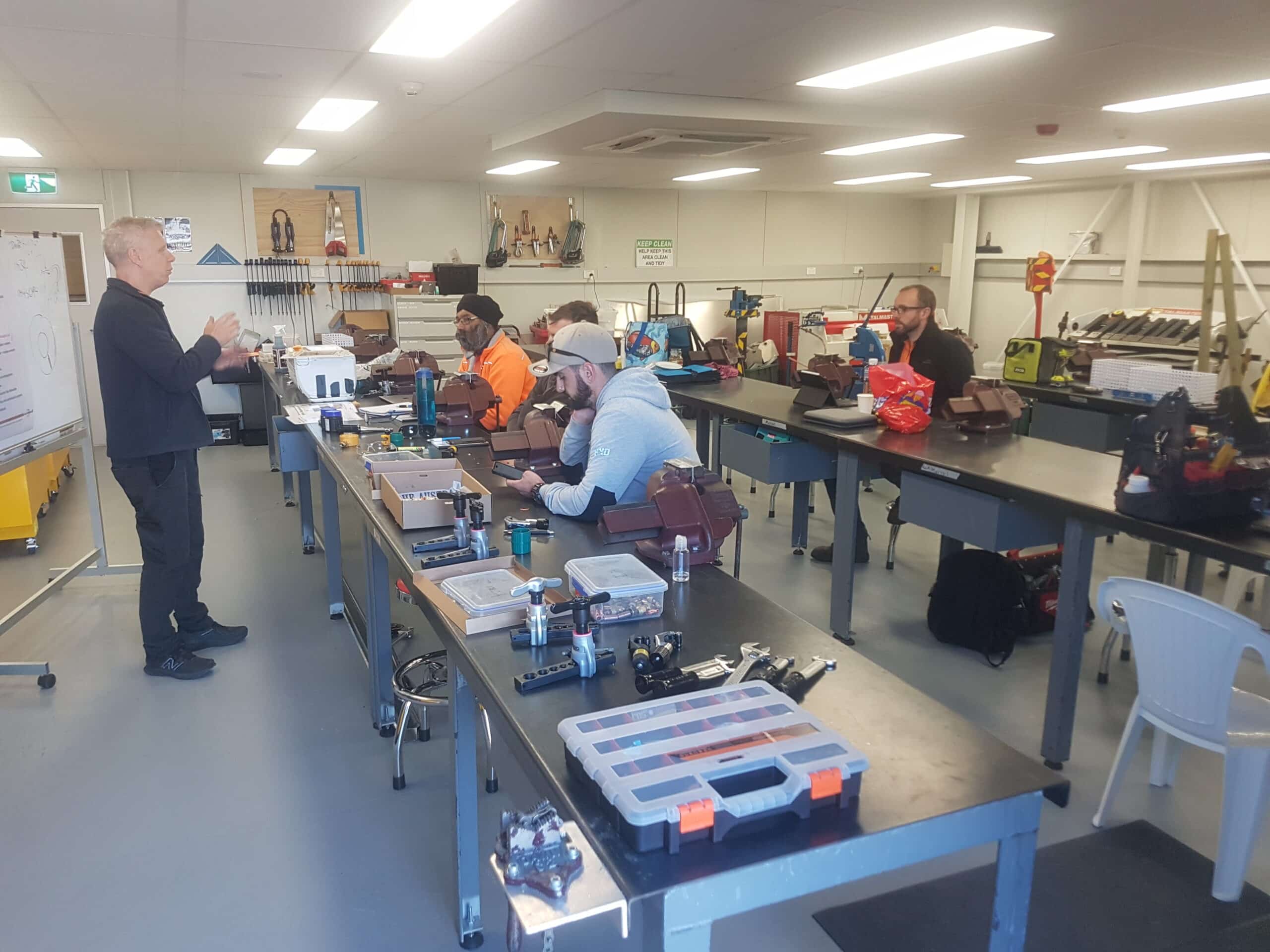
While online learning is great for flexibility, electrical training needs a mix of hands-on experience and theoretical knowledge. Here at Get Skilled, we use a simulated workplace environment to help you experience real-life industry scenarios while you study.
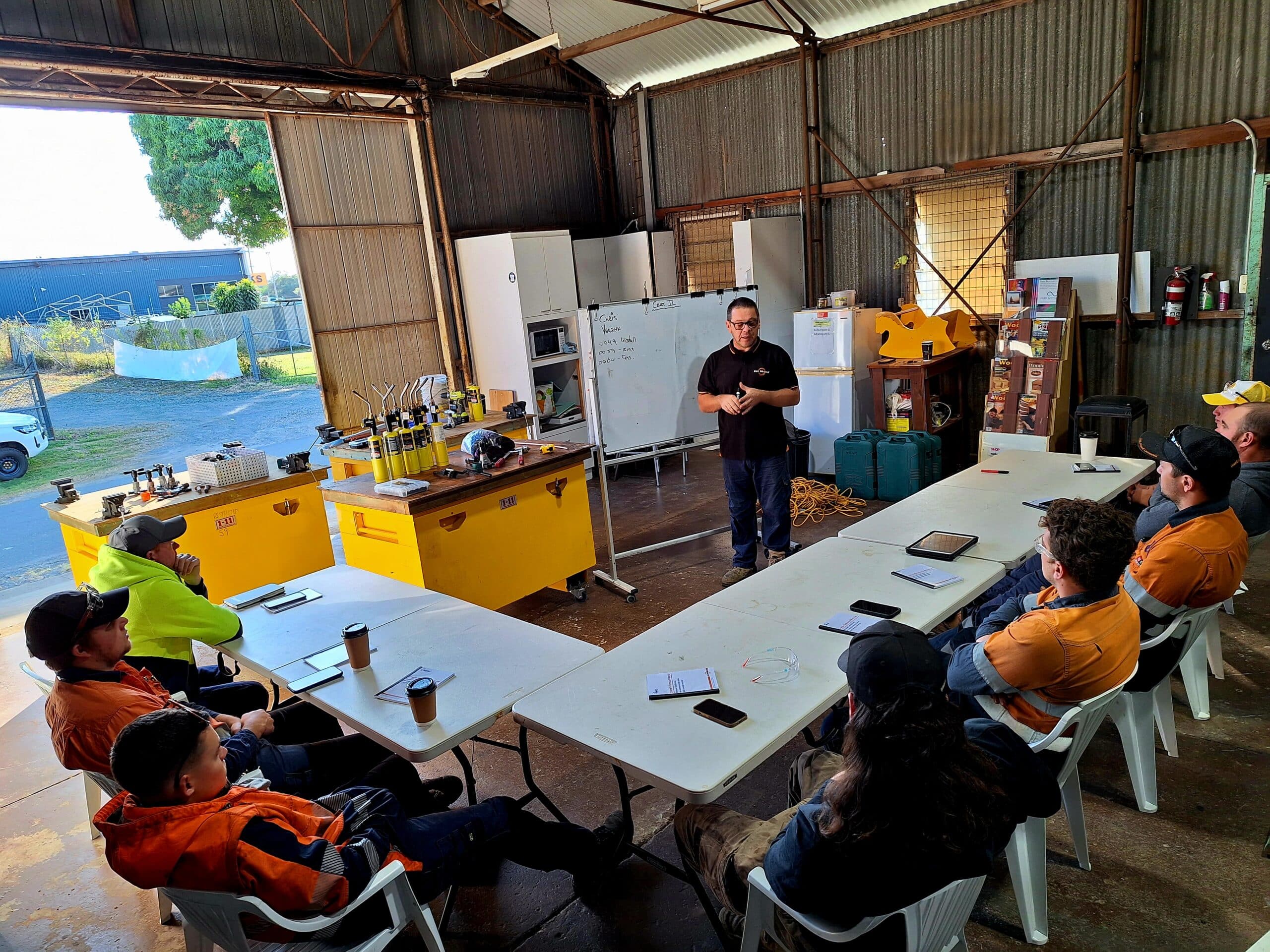
It’s our way of helping students become job-ready by the time they finish training. TAFE also incorporates practical hands-on learning, but you might find class sizes are larger, meaning you’ll get less personal attention.
Course Relevance and Specialisation
Most RTOs specialise in a particular industry or niche, allowing them to deliver more focused training from experts in the field.
Electrical Training Focus
By specialising in particular fields, private RTOs can offer courses that meet what the sector needs. TAFE institutions take a different approach by offering broader educational options in trades, arts, business and technology. TAFE’s complete electrical courses come with various options, whereas private providers concentrate on electrotechnology requirements with real-world applications.
Tailored Electrotechnology Units in Refrigeration and Air Conditioning
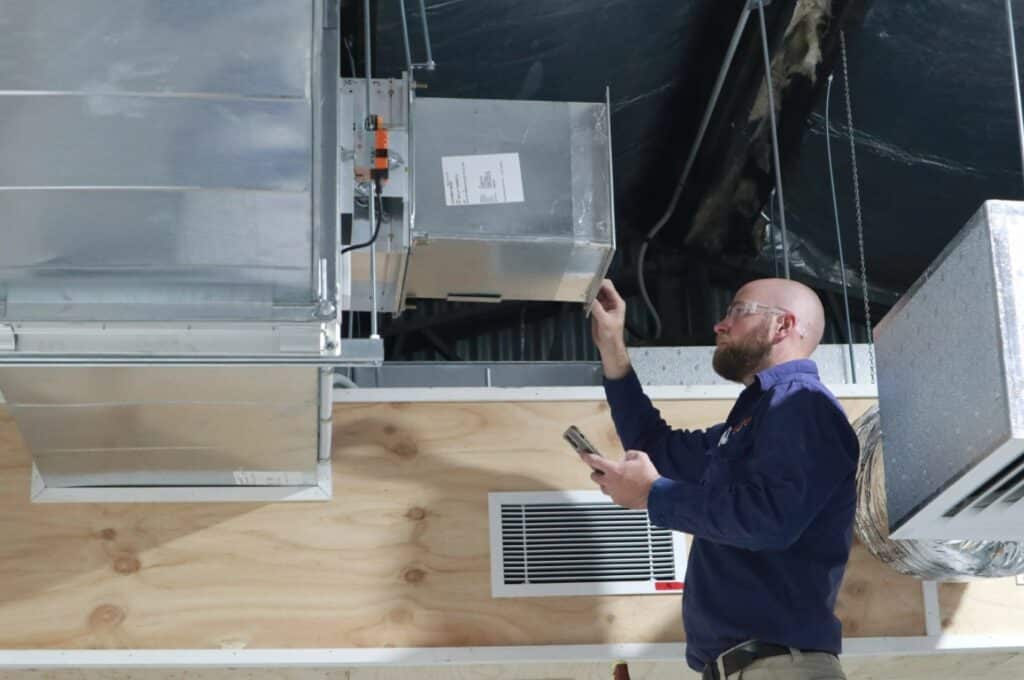
Private RTOs work closely with industry partners to develop relevant and current courses. Get Skilled’s courses, such as UEE32225 Certificate III in Air Conditioning and Refrigeration, blend practical elements like fault-finding and installation for air conditioning and refrigeration systems, including testing and commissioning with various practicals. TAFE takes a broader approach where students usually complete the theory as well in-house when students could be out on the job and completing the theory in a time that is more convenient to them. Both paths lead to nationally recognised qualifications, but private training tends to offer more focused, industry-specific units.
Cost, Funding and Accessibility
The cost of your training and the availability of different funding options can make a big difference in your decision between TAFE and private RTOs.
Government Subsidies
TAFEs and private RTOs both provide government-subsidised training in different ways. Since TAFE is government-funded, there are plenty of subsidised and even fee-free courses, particularly for in-demand industries like nursing and aged care. But that doesn’t mean they’re without full-fee-paying courses, or that they’re necessarily cheaper than private RTOs.
Here at Get Skilled, we can help eligible students, apprentices, and employers tap into government funding to make training more affordable. Funding options differ by state, so make sure you check out all the available opportunities.
Payment Plans and Options
Private training organisations shine when it comes to flexible payments. Most RTOs let electricians split their course fees into manageable instalments. Students at Get Skilled can spread their course costs without affecting their work income.
We also recognise that circumstances can change, and we can work with you and your employer to find the best solution if you’re facing financial difficulty.
The best way to understand fee types and eligibility for funding is to ask. Our team can explain all the funding options available for your course, check if you’re eligible for subsidised training, and point you in the right direction for incentive support.
Career Outcomes and Industry Alignment
Everyone’s career path is different, and your unique goals can help you make the choice between TAFE and private RTOs.
Job Readiness
Private RTOs like us put practical applications first in simulated workplace environments, giving electricians skills they can use right away in professional settings and expand their service offerings in air conditioning and refrigeration. Our training uses industry-standard equipment, which helps graduates move naturally from classroom to worksite.
Industry Connections
Specialised electrical RTOs offer a big advantage through their industry networks including employer networks and wholesalers. Our industry partnerships create direct paths to job opportunities and keep training relevant to what workplaces need today.
Recognition of Qualifications: National Accreditation and Licensing
TAFE and private RTOs both provide nationally recognised qualifications that are accepted across Australia. We take that one step further by designing courses to help students prepare for training blocks, licensing examinations, or pre-apprenticeship programs, as well as guidance on state and territory licensing requirements.
Discover Real-World Courses For Electricians at Get Skilled
Electricians looking for professional development will have to choose between TAFE and private RTOs, and ultimately it comes down to personal preference. However, specialised providers can give some unique advantages to electrical professionals.
Here at Get Skilled, we focus on training to get you job-ready, focusing on what working electricians need for career growth into the air conditioning and refrigeration field. We’ll help you find out if you’re eligible for subsidised courses and flexible payment plans to make your training more affordable. If you want to grow in your career and boost your earning potential, reach out to our team and tell us which course you’re interested in.